2021 Nissan Leaf
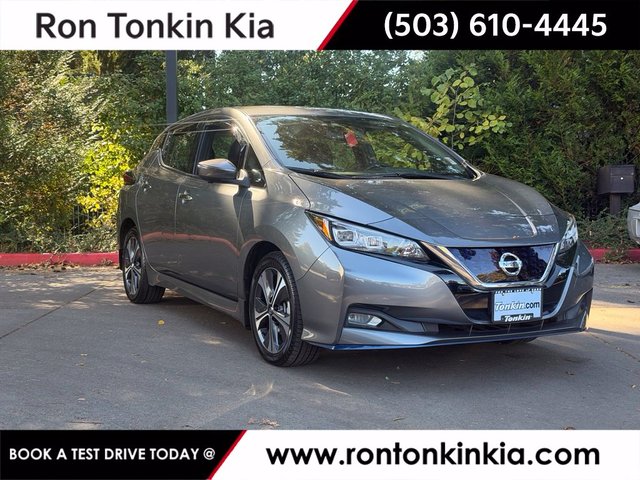
Used 2021 Nissan Leaf SL Plus 4D Hatchback
Recently sold
10 sales, $13,999–$18,330
- 2022SL41,862 mi$15,500Jun 2026
- 2021SL34,278 mi$13,999May 2026
- 2022SL42,323 mi$15,991Apr 2026
- 2021SL31,913 mi$14,726Mar 2026
- 2022SL29,659 mi$14,000Feb 2026
- 2022SL37,144 mi$18,330Jan 2026
- 2022SL45,106 mi$16,950Dec 2025
- 2021SL25,495 mi$15,500Dec 2025
- 2021SL25,368 mi$15,000Nov 2025
- 2021SL46,012 mi$14,000Nov 2025
Market trends
Voltcheck ProLeaf Used 2021 Nissan Leaf SL Plus 4D Hatchback
Battery & range
- High energy density — good range for the weight
- Holds range better than LFP in the cold
- Strong all-round power delivery
- Wears faster than LFP over many charge cycles
- Best kept to ~80–90% for daily charging
- Contains cobalt (higher cost, sourcing concerns)
Charging
Warranty
Dealer description
This 2021 Nissan Leaf SL Plus combines eco-friendly driving with practical daily functionality in a sleek gray hatchback. With just under 40,000 miles, this electric vehicle delivers impressive efficiency—114 MPGe city and 94 MPGe highway—while the spacious interior and user-friendly technology keep you connected and comfortable on every drive. - NissanConnect EV navigation system with Apple CarPlay and Android Auto - Premium Bose audio with SiriusXM and NissanConnect Services - Heated front bucket seats with leather-appointed trim - Heated steering wheel for cold-weather comfort - Dual climate zones with automatic temperature control - Rear parking sensors and 4-wheel disc brakes with ABS - Advanced safety package including dual front and side airbags - 17-inch alloy wheels - Rear window defroster and power windows - Homelink garage door transmitter This well-maintained Leaf offers the reliability and efficiency electric vehicle owners expect from Nissan, backed by a comprehensive safety suite and modern connectivity features. Come take it for a test drive and experience the smooth, quiet performance of electric driving firsthand.
Questions for the seller (2)
- Battery health report The seller can pull one from the car; it's the only real degradation data, and nothing remote can measure it.
- Build date (door-jamb sticker) and original in-service date Settles mid-year running changes; the in-service date, not the model year, starts the warranty clock.