 1 / 8
1 / 8Asking prices, this cohort
Market trends
Voltcheck ProPacifica Hybrid Touring Plus
Battery & range
Thermal
Dealer description
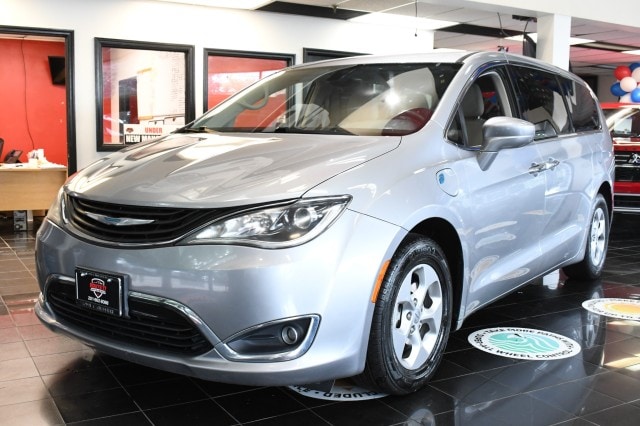
OMG! WATCH THE PEOPLE STARE! Top-notch quality! Look at what we are offering you! Don't you hear this baby saying Drive Me?!?!? DO NOT PASS THIS UP!!! LOOK NO FURTHER! More information about the 2017 Chrysler Pacifica: The Chrysler Pacifica starts at under $28,000, where it competes with other minivans such as the Toyota Sienna and the Honda Odyssey, both of which it undercuts a little bit on price. However the entire minivan segment holds a ton of value, by virtue of being cheaper to own and operate than the myriad of medium and large SUVs out in the world. The Chrysler Pacifica combines a ton of space, with relatively compact and easy to park exterior dimensions, along with a curb weight that makes car-like mpg figures a reality. The Pacifica is also available with a ton of luxurious and entertaining features, which will really show their value on long road trips with children in tow. But no matter the equipment level, the new Pacifica is a fantastic value. Strengths of this model include relatively compact outer dimensions, advanced drivetrains, smooth, sleek styling, Spacious and comfortable interior, and third row seating
Questions for the seller (2)
- Battery health report The seller can pull one from the car; it's the only real degradation data, and nothing remote can measure it.
- Build date (door-jamb sticker) and original in-service date Settles mid-year running changes; the in-service date, not the model year, starts the warranty clock.