2024 Chrysler Pacifica
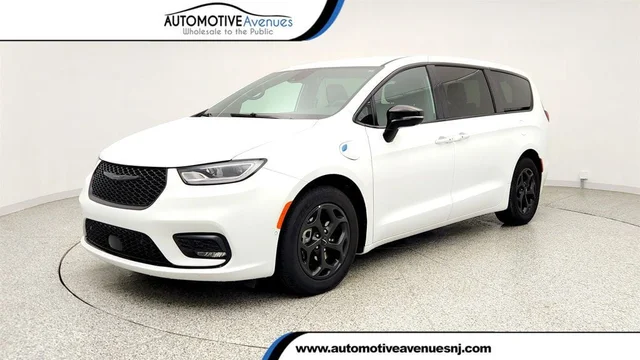
Used 2024 Chrysler Pacifica Hybrid S Appearance Pkg FWD Van
Recently sold
10 sales, $14,000–$37,490
- 2023Limited63,480 mi$14,000Jul 2026
- 2023Limited38,702 mi$37,490Jul 2026
- 2023Limited63,714 mi$29,190Jul 2026
- 2024RU48,887 mi$26,812Jul 2026
- 2023Limited53,873 mi$26,998Jul 2026
- 2023Limited39,571 mi$30,998Jun 2026
- 2024RU47,588 mi$27,750Jun 2026
- 2023Limited62,525 mi$27,998Jun 2026
- 2024RU53,521 mi$25,990Jun 2026
- 2024RU46,095 mi$24,500Jun 2026
Market trends
Voltcheck ProPacifica Used 2024 Chrysler Pacifica Hybrid S Appearance Pkg FWD Van
Battery & range
Thermal
Dealer description
SPACIOUS, EFFICIENT, MODERN, FAMILY-FOCUSED, ADVANCED, COMFORTABLE, ONE-OWNER, NONSMOKER, EXCEPTIONAL! The 2024 Chrysler Pacifica Hybrid S Appearance Package is a plug-in hybrid minivan designed to blend family practicality with electrified efficiency and upscale styling cues. It uses Chrysler's hybrid system paired with a V6-based plug-in hybrid setup and front-wheel drive configuration, delivering smooth everyday drivability along with electric-only capability for short trips. The Pacifica Hybrid continues Chrysler's long-running focus on family comfort and versatility while integrating modern design and efficiency technologies. One of its standout advantages in the segment is its combination of plug-in hybrid efficiency with full minivan utility, a balance not commonly matched by rivals such as the Toyota Sienna (hybrid only, non-plug-in) or Honda Odyssey (gas-only), giving it a unique edge for drivers seeking electric commuting capability without sacrificing space. In a segment where critics are often tough, this one tends to turn reviewers into believers once they experience the practicality and efficiency together. Recognized as a leading plug-in hybrid minivan in automotive efficiency comparisons Frequently praised by automotive publications such as Car and Driver and Edmunds for family usability Strong ratings in hybrid ef
Questions for the seller (2)
- Battery health report The seller can pull one from the car; it's the only real degradation data, and nothing remote can measure it.
- Build date (door-jamb sticker) and original in-service date Settles mid-year running changes; the in-service date, not the model year, starts the warranty clock.