2026 Toyota Prius Plug-In Hybrid
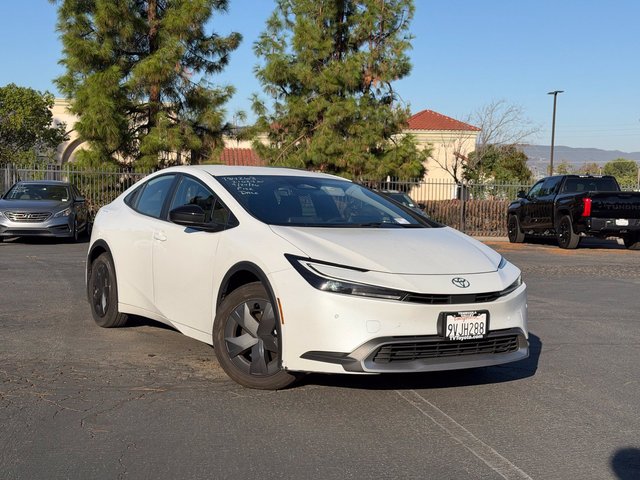
Used 2026 Toyota Prius Plug-In Hybrid SE 5D Hatchback
Asking prices, this cohort
Market trends
Voltcheck ProPrius Plug-In Hybrid Used 2026 Toyota Prius Plug-In Hybrid SE 5D Hatchback
Dealer description
2026 Toyota Prius Plug-In Hybrid SE: Eco-Conscious Efficiency Meets Modern Style Welcome to the future of efficient driving in this factory-certified 2026 Toyota Prius Plug-In Hybrid SE. Finished in a striking Wind Chill Pearl exterior with a modern Black/Red interior, this hatchback delivers exceptional versatility for daily commutes from Murrieta and weekend highway trips alike. With its aerodynamic profile, responsive powertrain, and standard-setting efficiency, this vehicle is tailored for drivers looking to elevate their daily drive. Explore our extensive inventory of pre-owned vehicles or browse our lineup of electrified vehicles to discover how plug-in hybrid driving fits your lifestyle. Performance & Capability Under the hood, the 2026 Toyota Prius Plug-In Hybrid SE is powered by a 2L I-4 engine with 150HP, featuring DOHC and VVT-i variable valve control paired with a Continuously Variable Transmission (ECVT). This efficient Front Wheel Drive platform is supported by an independent front strut suspension and an independent rear multi-link suspension, delivering a smooth, composed ride on city streets and open highways. The vehicle utilizes a Lithium-Ion traction battery alongside a hybrid starter generator alternator to manage power distribution seamlessly. Drivers can select from EV/ECO/POWER driver-selectable drivetrain modes to prioritize all-electric range or responsive acceleration on demand. Additional stability features like Vehicle Stability Control (VSC), all-speed ABS and driveline traction control, and Hill Start Assist Control (HAC) provide confident handling across changing driving conditions. Technology &
Questions for the seller (2)
- Battery health report The seller can pull one from the car; it's the only real degradation data, and nothing remote can measure it.
- Build date (door-jamb sticker) and original in-service date Settles mid-year running changes; the in-service date, not the model year, starts the warranty clock.