 1 / 5
1 / 5Recently sold
10 sales, $22,000–$30,000
- 20242LT40,120 mi$30,000Jul 2026
- 20242LT34,499 mi$26,971Jul 2026
- 20242LT29,938 mi$24,910May 2026
- 20242LT25,259 mi$24,495Apr 2026
- 20242LT27,470 mi$25,380Apr 2026
- 20242LT23,069 mi$29,428Mar 2026
- 20242LT27,026 mi$24,990Feb 2026
- 20242LT22,503 mi$27,950Feb 2026
- 20242LT24,176 mi$26,999Feb 2026
- 20242LT49,282 mi$22,000Feb 2026
Market trends
Voltcheck ProBlazer EV LT
Battery & range
- High energy density — long range for the weight
- Added aluminum improves stability and lifespan over NMC
- Uses less cobalt than older nickel chemistries
- Best kept to ~80–90% for daily charging
- More heat-sensitive than LFP
- Newer chemistry, so less long-term field history
Dealer description
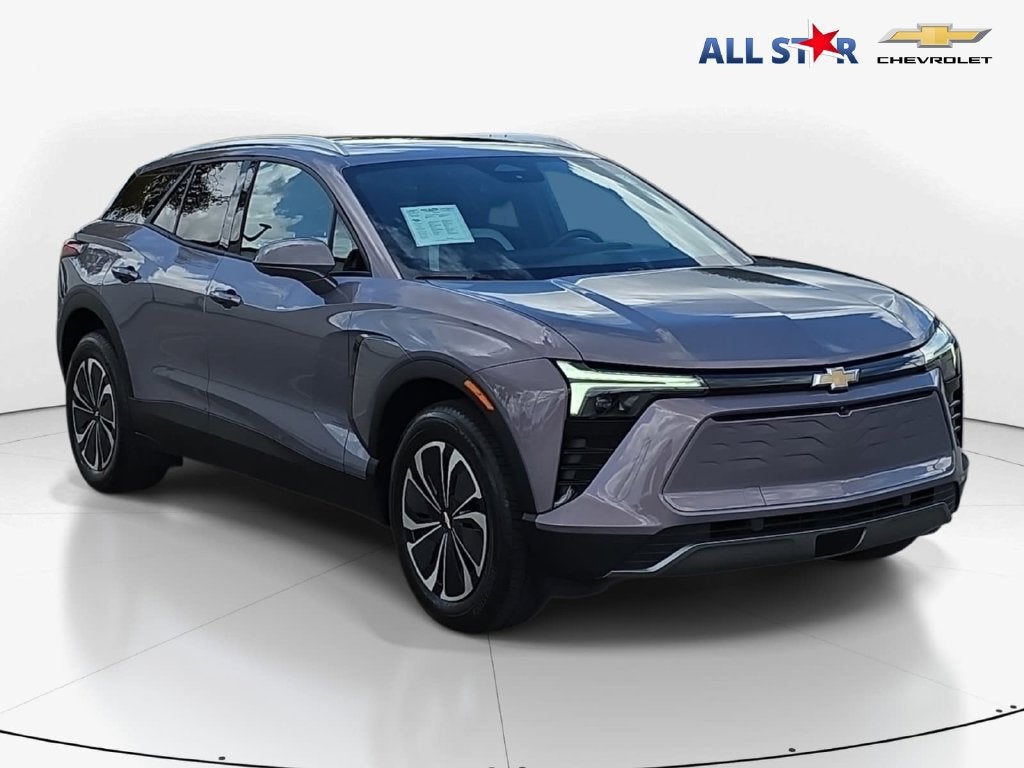
Introducing the 2024 Chevrolet Blazer EV LT—a sophisticated electric SUV that combines modern styling with intelligent technology. With its sleek gray exterior, black interior, and dual electric motors delivering AWD capability, this vehicle delivers impressive efficiency alongside capable performance. At 35,680 miles, this used Blazer EV remains well-maintained and ready for your next adventure. Key Features: - Dual electric motors with all-wheel drive - Panoramic dual-panel power sunroof - 17.7 advanced color touchscreen with navigation - Convenience and Driver Confidence Package - Comfort and Convenience Package - Adaptive Cruise Control with enhanced emergency braking - Heated steering wheel and dual-zone climate control - 8-way power driver seat with lumbar adjustment - HD surround vision camera system - Wireless phone charging This Blazer EV delivers an outstanding 103 MPGe in the city and 88 MPGe on the highway, making it an economical choice for daily driving and longer trips alike. Its comprehensive safety suite, premium comfort features, and advanced driver assistance systems create a refined driving experience. We invite you to visit our showroom to experience this impressive electric SUV firsthand.
Questions for the seller (2)
- Battery health report The seller can pull one from the car; it's the only real degradation data, and nothing remote can measure it.
- Build date (door-jamb sticker) and original in-service date Settles mid-year running changes; the in-service date, not the model year, starts the warranty clock.