 1 / 5
1 / 5Recently sold
10 sales, $27,990–$31,708
- 20242LT20,088 mi$28,690Jul 2026
- 20242LT11,325 mi$30,697Jul 2026
- 20242LT10,535 mi$27,990Jun 2026
- 20242LT19,639 mi$29,680Jun 2026
- 20242LT12,577 mi$28,497Jun 2026
- 20242LT17,205 mi$29,360Jun 2026
- 20242LT20,191 mi$27,990Jun 2026
- 20242LT16,664 mi$31,708Jun 2026
- 20242LT2,779 mi$30,470May 2026
- 20242LT6,437 mi$29,412May 2026
Market trends
Voltcheck ProBlazer EV LT
Battery & range
- High energy density — long range for the weight
- Added aluminum improves stability and lifespan over NMC
- Uses less cobalt than older nickel chemistries
- Best kept to ~80–90% for daily charging
- More heat-sensitive than LFP
- Newer chemistry, so less long-term field history
Dealer description
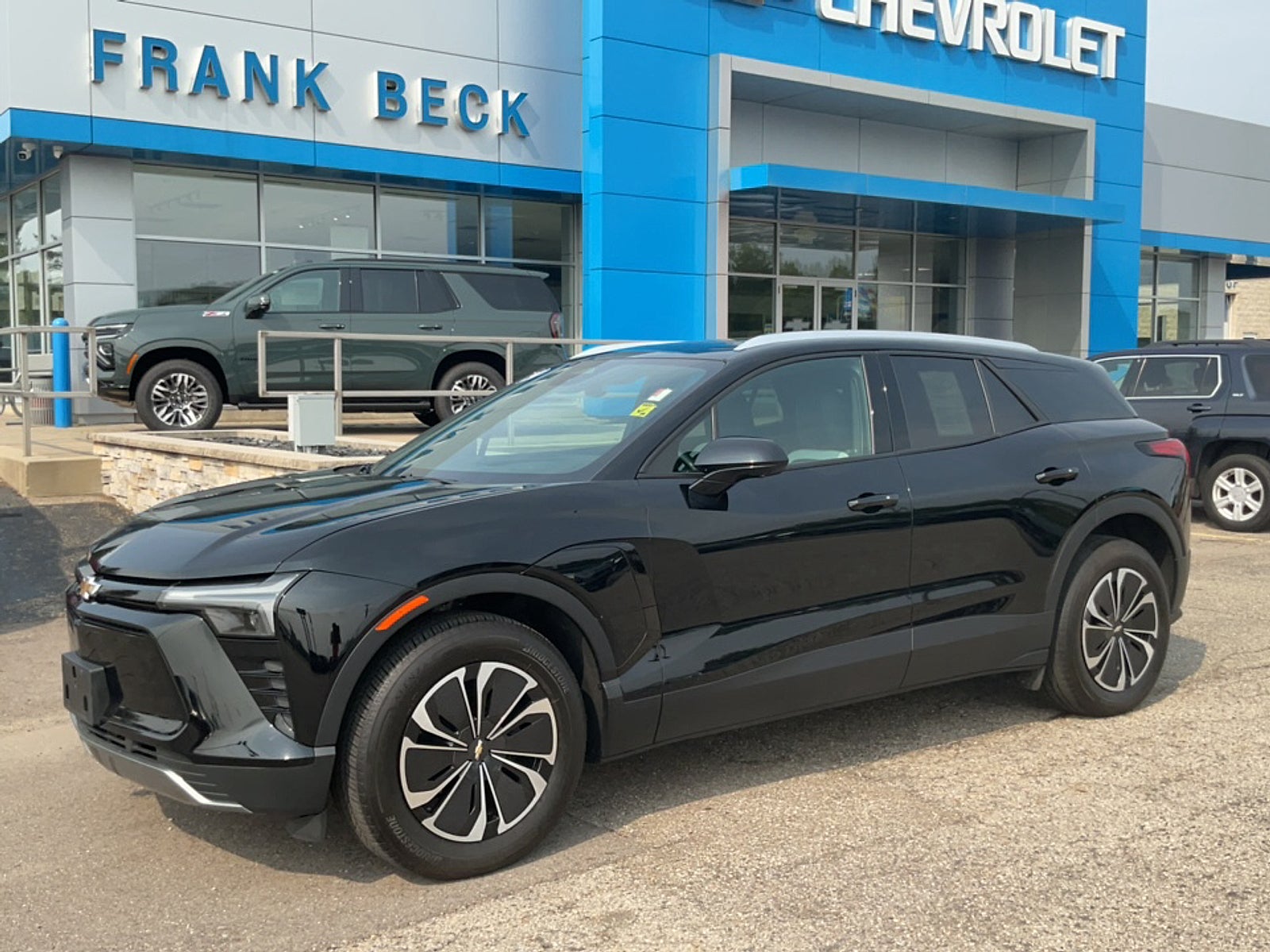
Discover the 2024 Chevrolet Blazer EV eAWD 2LT, an electric SUV designed to elevate your driving experience. With its striking black exterior and powerful electric engine, the Blazer promises both efficiency and style. This model features Evotex seat trim, providing a comfortable and sophisticated interior that complements its modern aesthetics. You'll appreciate the ride and handling suspension, which ensures a smooth drive, while the 19' machined-face aluminum wheels add a touch of flair to its sporty demeanor. Safety is paramount in the Blazer EV, equipped with advanced features such as forward collision warning with automatic braking, pedestrian detection, an HD rear vision camera, lane keep assist, and active blind spot monitoring. These systems work together to enhance your confidence on the road. In terms of entertainment, the Blazer EV doesn't disappoint. It boasts a primary 17.7' diagonal advanced color LCD display, wireless Bluetooth® audio streaming, voice-activated controls, and an AM/FM/SiriusXM radio system. The 2024 Chevrolet Blazer EV eAWD 2LT is not just a mode of transport; it's a hub of technology, safety, and comfort, designed for the modern driver.
Questions for the seller (2)
- Battery health report The seller can pull one from the car; it's the only real degradation data, and nothing remote can measure it.
- Build date (door-jamb sticker) and original in-service date Settles mid-year running changes; the in-service date, not the model year, starts the warranty clock.