 1 / 5
Recently sold
10 sales, $27,963–$35,179
- 2024RS22,469 mi$29,404Jul 2026
- 2024RS11,065 mi$31,500Jun 2026
- 2024RS19,895 mi$30,546Jun 2026
- 2024RS19,361 mi$29,500Jun 2026
- 2024RS11,486 mi$30,686Jun 2026
- 2024RS32,464 mi$28,880Jun 2026
- 2024RS13,049 mi$29,000May 2026
- 2024RS27,003 mi$27,963May 2026
- 2024RS11,887 mi$35,179May 2026
- 2024RS20,830 mi$27,995May 2026
Market trends
Voltcheck ProBlazer EV RS
Battery & range
- High energy density — long range for the weight
- Added aluminum improves stability and lifespan over NMC
- Uses less cobalt than older nickel chemistries
- Best kept to ~80–90% for daily charging
- More heat-sensitive than LFP
- Newer chemistry, so less long-term field history
Dealer description
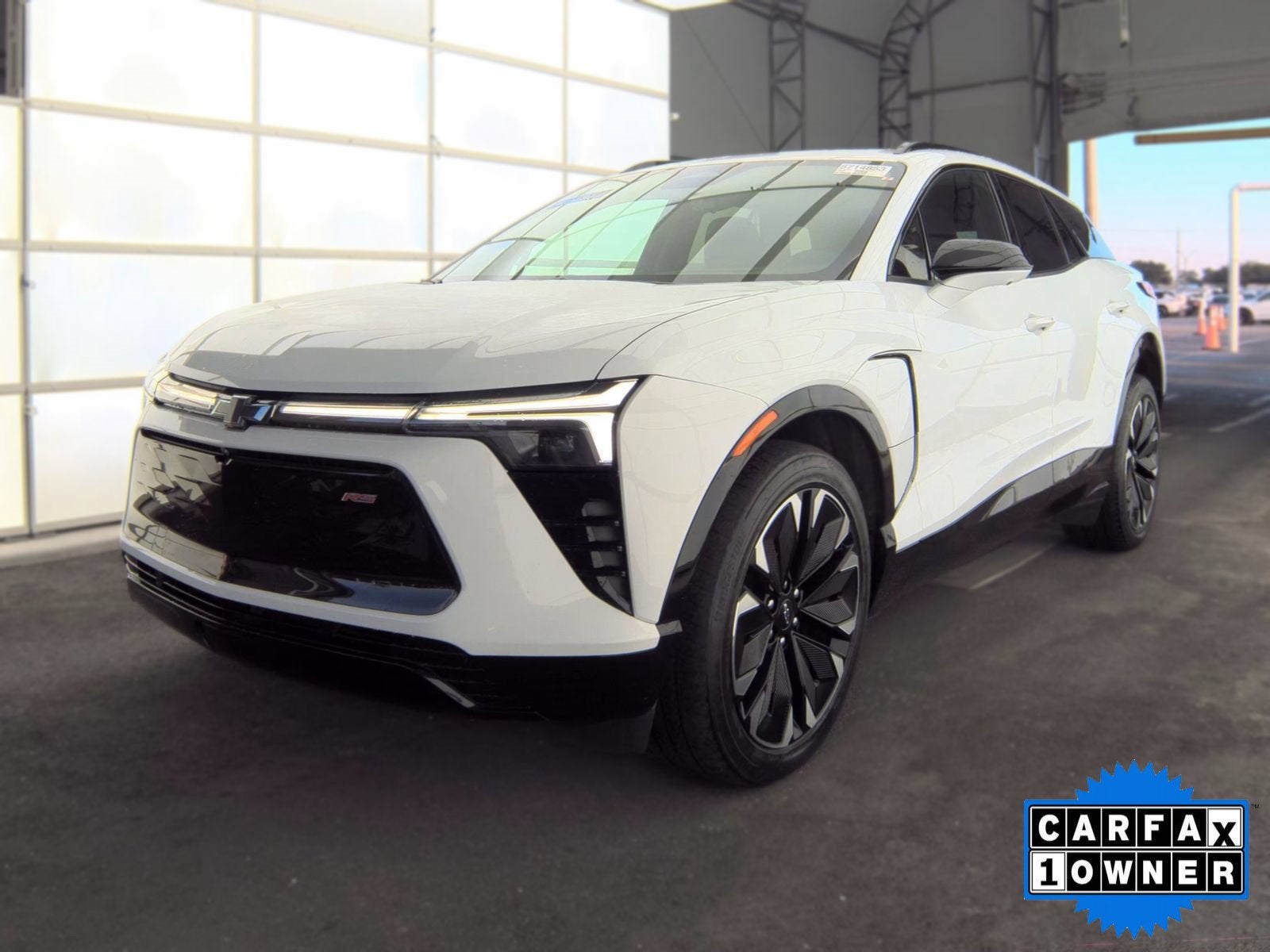
Experience the future of driving with the 2024 Chevrolet Blazer EV AWD RS. Finished in a stunning white exterior, this all-electric SUV combines bold style with innovative technology and all-weather capability. Enjoy up to 279 miles per charge, DC fast charging, and a powerful 288hp electric motor. The spacious cabin features a massive 17.7-inch infotainment display, customizable 11-inch digital instrument cluster, wireless charging, and integrated Amazon Alexa. Stay safe with advanced driver assistance features like front and rear automatic emergency braking, blind spot integration with lane keeping assist, rear cross traffic alert, and pedestrian detection. Comfort comes standard with heated and ventilated front seats, dual-zone automatic climate control, and a power-operated rear liftgate. Connectivity is effortless thanks to built-in Wi-Fi hotspot, Bluetooth®, SiriusXM, and a host of smart device app compatibilities. The Blazer EV RS is engineered for families and adventurers alike, offering exceptional space, luxury, and cutting-edge efficiency.
Questions for the seller (2)
- Battery health report The seller can pull one from the car; it's the only real degradation data, and nothing remote can measure it.
- Build date (door-jamb sticker) and original in-service date Settles mid-year running changes; the in-service date, not the model year, starts the warranty clock.